Local nature: visiting Masonboro Island and wildlife tips
Masonboro Island is an undeveloped 8.4-mile barrier island south of Wrightsville Beach that can be reached only by boat, kayak, water taxi, or guided charter from Wrightsville Beach. Plan a water transfer or kayak trip, bring sun and wildlife-safe gear, and follow sea-turtle and shorebird guidelines while you explore.
In this guide
About Masonboro Island
Masonboro Island is an undeveloped barrier island and state natural area south of Wrightsville Beach. It’s valued for wide beaches, dunes, marshes, and estuarine habitats rather than built facilities.
There are no roads or vehicle access on Masonboro Island; visitors arrive only by water—private boats, kayak, guided nature-charter, or water taxi operating from Wrightsville Beach.
- Length: about 8.4 miles (island extent)
- Access: boat, kayak, charter, or water taxi only
- Habitat: beach, dunes, tidal creeks, salt marsh
| Feature | What to expect |
|---|---|
| Development | Undeveloped; no services or structures |
| Wildlife | Shorebirds, nesting sea turtles, fish nurseries |
| Access | Arrive by water from Wrightsville Beach |
Getting there from Holiday Inn Resort Lumina on Wrightsville Beach
Holiday Inn Resort Lumina on Wrightsville Beach sits directly on Wrightsville Beach; transfers to Masonboro Island must be arranged via local water operators or kayak rentals launching from Wrightsville Beach. The resort’s concierge or front desk can advise on operators and shuttle options.
If you’re planning a kayak to Masonboro, check tides, wind, and your skill level; guided tours and water taxis are alternatives for less experienced paddlers.
- Ask the front desk or concierge for recommended kayak rentals or charter operators
- Bring a dry bag, life jacket, and a charged phone/GPS device
- Confirm return and pick-up points with the operator before launching
| Option | When to choose it |
|---|---|
| Guided charter / water taxi | Limited experience or want wildlife interpretation |
| Self-launch kayak | Experienced paddlers comfortable with tides and currents |
| Private boat | Groups with boating experience and navigation gear |
Wildlife you might see
Masonboro Island supports nesting sea turtles (green and loggerhead), shorebirds, wading birds, and estuarine fish species. Bird species and turtle nesting are seasonal—respect posted closures and buffers during nesting season.
On the island you may also see crabs, small mammals in the dunes, and migratory shorebirds depending on the time of year.
- Sea turtles: nesting season and hatchlings—observe from a distance and follow local guidance
- Shorebirds: plovers, terns, and other species use the island for feeding and nesting
- Marsh species: herons, egrets, and wading birds in creek and marsh areas
| Species group | Typical behavior |
|---|---|
| Sea turtles | Nest on beaches at night; hatchlings emerge seasonally |
| Shorebirds | Feed along the surf line and nest above high-tide line |
| Wading birds | Hunt in tidal creeks and marshes during daylight |
Wildlife etiquette and safety
Avoid disturbing wildlife. Stay well away from marked nesting areas, do not approach or touch sea turtles or hatchlings, and give birds room—use binoculars or a zoom lens for close views.
Follow Leave No Trace principles: pack out all trash, do not leave food that could attract wildlife, and avoid walking on marked dune vegetation and nesting sites.
- Keep at least the recommended buffer from nests and roped-off areas
- Do not use flash photography on nesting or resting animals at night
- Store food securely and remove all trash from the island
- Stay on open sand or designated walking areas—don’t trample dune vegetation
| Situation | What to do |
|---|---|
| Encounter a turtle on the beach | Observe from a distance; do not block its path |
| See roped-off nesting area | Stay outside ropes and follow posted signs |
| Find stranded animal or injured wildlife | Do not handle; report to your guide or local wildlife authorities |
What to pack and wear
Pack sun protection (hat, SPF, sunglasses), water, and a small first-aid kit. On long trips bring extra drinking water and snacks in resealable containers.
Bring footwear suitable for sand and tidal creek crossings, a dry bag for electronics, and binoculars for wildlife viewing.
- Sun protection: broad-spectrum sunscreen, hat, sunglasses
- Hydration: refillable water bottle and extra water for long outings
- Navigation and safety: phone, portable charger, whistle, life jacket for kayaks
- Wildlife viewing: binoculars, camera with zoom, small field guide
| Item | Why it helps |
|---|---|
| Dry bag | Protects phone/camera from salt water |
| Life jacket | Required or strongly recommended for paddling or small-boat travel |
| Trash bag | Carry out all litter and food scraps |

Back at the resort — low-impact options and room choices
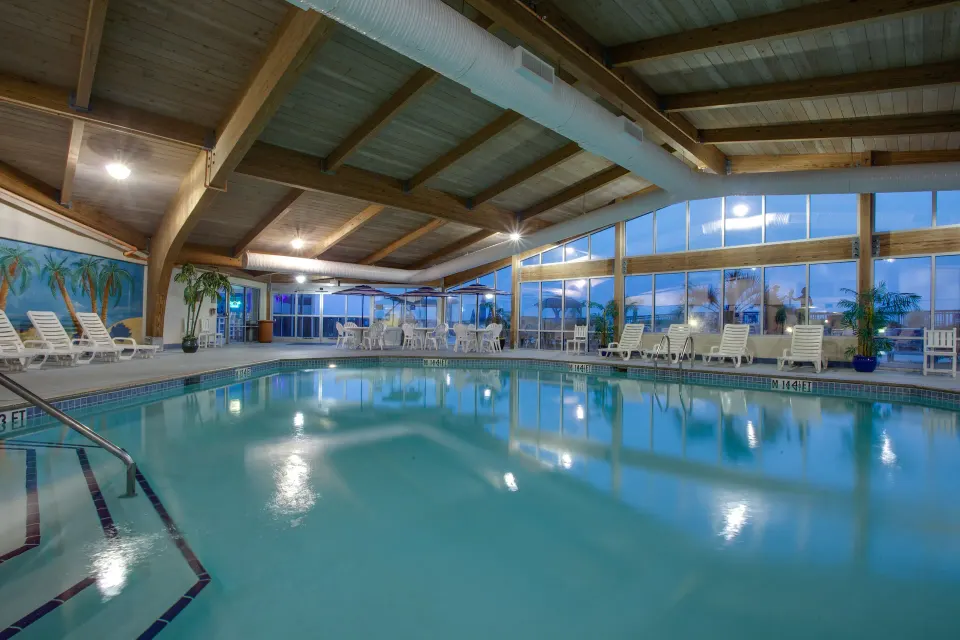
After a day on Masonboro Island, rinse off salt at the resort pools or in your guest room bathroom; the hotel offers one indoor pool and one outdoor pool with a children's pool and whirlpool feature. Pool access is included in the resort fee for registered guests.
For families, consider rooms with extra sleeping space or bunk beds when planning multi-person stays: options include Room, with Sofa bed (Sunset), Room, Multiple Beds (Sunset View,) and select Standard Room configurations. Suites are available for more living space.
- Pools: indoor (heated) and outdoor (with children's pool and whirlpool)
- Room types to consider for families: Room, with Sofa bed (Sunset); Room, Multiple Beds (Sunset View,); Suite, 1 Bedroom
- Dry off and clean gear in your room—be sure to follow any in-room care guidance for wet equipment
| Feature | Resort note |
|---|---|
| Pool hours | Indoor and outdoor pools open 8:00 AM–10:00 PM (per hotel info) |
| Resort fee | Covers pool and beach access, towels, parking, and Wi‑Fi |
| Dining after return | Solstice Oceanfront Kitchen + Cocktails, Surfside Beach Bar & Grille, and Longboard Coffee + Market are on site |